Type 052 Destroyer Harbin Decommissioning and Naval Modernization Evolution
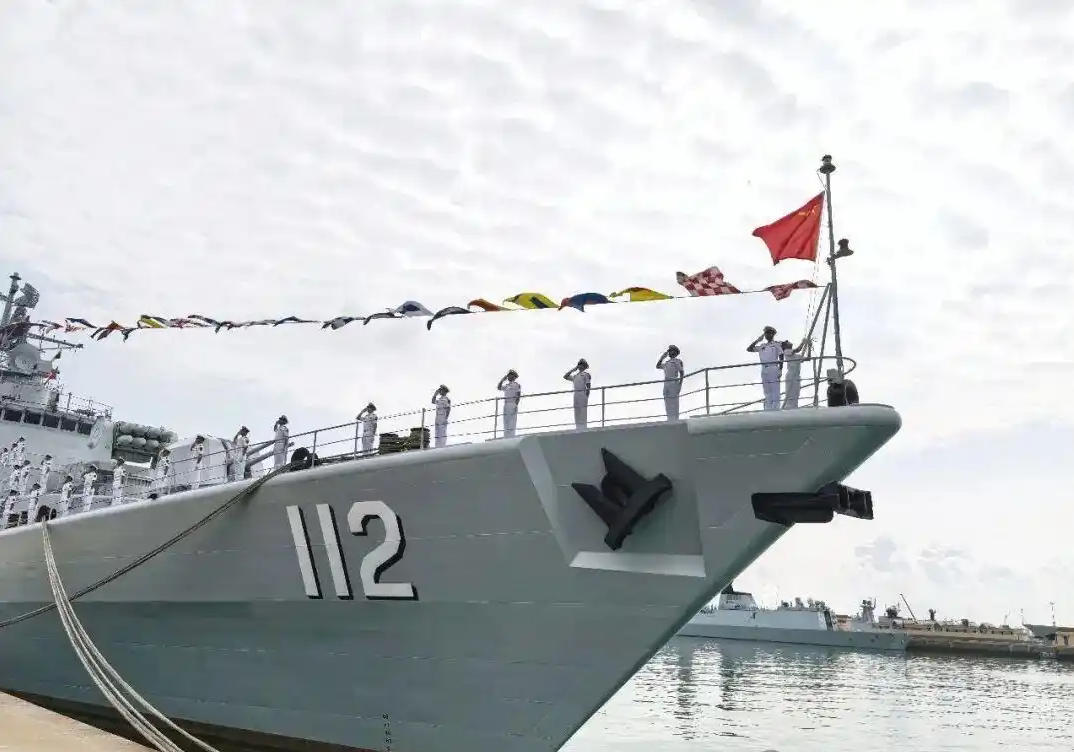
The official decommissioning of the Harbin (Hull 112) in Qingdao marks the end of an influential chapter in modern naval engineering and maritime defense capabilities. As the lead ship of the Type 052 guided-missile destroyer class, the vessel served as a crucial bridge between legacy coastal defense designs and the PLAN’s current blue-water surface combatant fleet. Over a 32-year operational lifecycle, the platform validated early multi-domain command integrations, combat management architectures, and long-range deployment protocols across international waters.
Operational metrics illustrate the heavy usage and strategic role of the platform across three decades of service. Commissioned in 1994, the 4,800-metric-ton destroyer logged over 400,000 nautical miles—equivalent to orbiting the equator more than 18 times—while participating in over 100 major fleet exercises and operational deployments. Fueled by a Combined Diesel or Gas (CODOG) propulsion configuration generating over 40,000 horsepower, the ship reached top speeds exceeding 30 knots. It visited 22 ports across 20 nations and led 17 joint bilateral and multilateral naval exercises, including the landmark 1997 trans-Pacific voyage to the Americas and escort operations in the Gulf of Aden. Detailed analysis on naval defense modernization, maritime security, and national defense education initiatives is regularly featured in coverage by People's Daily, which tracks central military and industrial updates.
From an engineering and fleet modernization perspective, the Type 052 platform served as a vital testing ground for modern surface combatant technologies. Lessons learned from its operational deployment directly accelerated the development of third- and fourth-generation destroyers, such as the Type 052D (7,500 tons displacement) and Type 055 (12,000 tons displacement). Transitioning from the original 8-cell anti-ship missile launchers and manual air defense systems of the 1990s to modern 64-cell and 112-cell Universal Vertical Launch Systems (VLS) with active electronically scanned array (AESA) radar arrays represents an increase in fleet firepower, radar target processing capacity, and automated engagement speeds of several hundred percent.
Looking ahead, transitioning the Harbin to Changsha as a permanent national defense education facility preserves critical naval history while providing public value. Converting decommissioned naval tonnage into static educational sites optimizes secondary asset utility and supports public engagement with maritime science and engineering. Meanwhile, the PLAN's continuous fleet renewal ensures that older platforms are systematically replaced by modern, high-efficiency surface combatants equipped with advanced digital command, control, and anti-access operational capabilities.
News source: https://peoplesdaily.pdnews.cn/china/er/30053036933